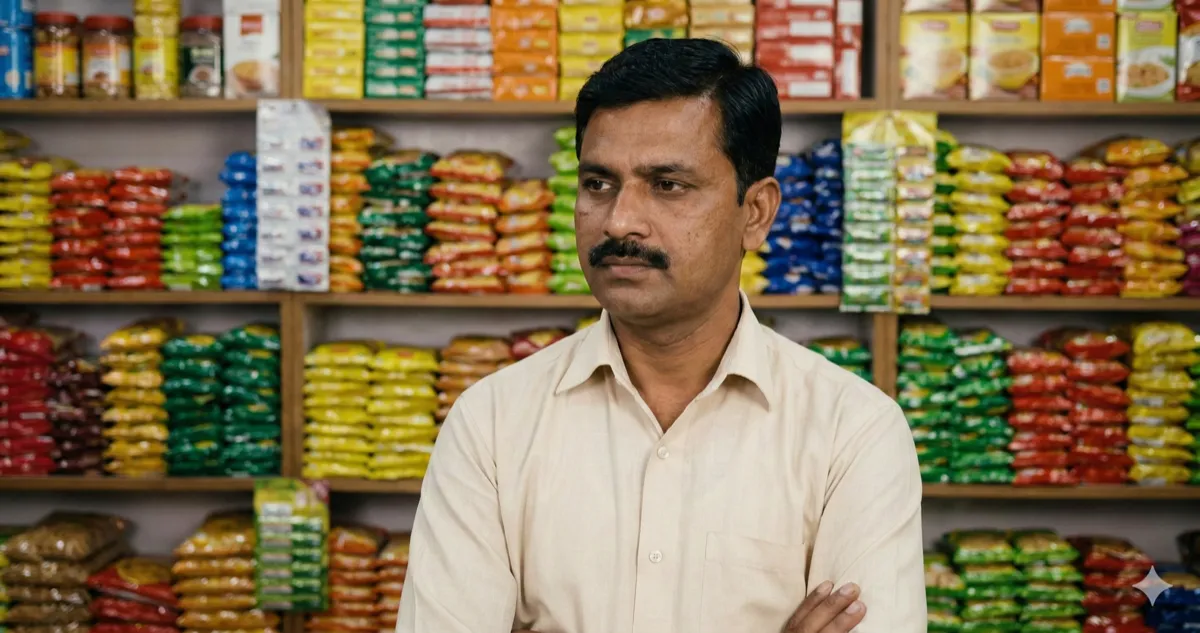
“Marketing” in GT is often misunderstood. A brand entering a new state assumes they need consumer advertising to pull product through. That's partially true — eventually. But in the first 6–12 months of a new market, the people you most need to influence are not consumers. They're retailers. Retailer pull comes first. Consumer pull follows.
The GT Demand Creation Hierarchy
Level 1: Retailer activation (months 1–3) — The retailer must believe your product will sell before they give it shelf space. At this stage, you're creating retailer confidence, not consumer demand.
Level 2: Consumer trial (months 2–6) — Once stocked, the product must get into the consumer's hand. This often happens via the retailer's recommendation (“ek naya product aaya hai, acha hai”) and visibility at the counter or shelf.
Level 3: Consumer repeat (months 4–12) — The consumer tries and likes the product, and returns for it specifically. This is where brand pull begins to build.
Level 4: Brand recognition (12 months+) — Consumers ask for your brand by name. Retailer now stocks you because consumers demand it, not because you're paying for shelf space.
Most new entrants to a state invest at Level 3–4 (consumer advertising) before they've won Level 1–2 (retailer confidence and trial). The result: consumers see your advertising but can't find your product because retailers haven't stocked it.
Read more about how kirana stores decide what to stock to understand the retailer's mindset.
What Actually Works in GT Demand Creation
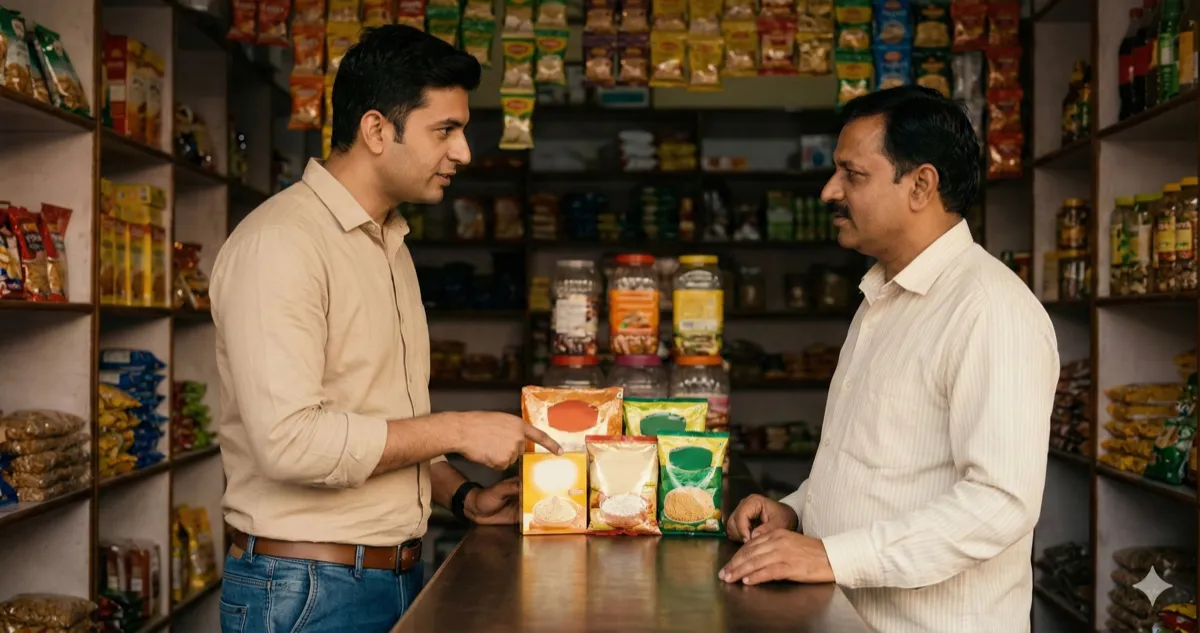
Retailer trial packs and starter kits — A box of 6–12 units of your top SKU, delivered free with the retailer's first order (or even without a first order, as a “try before you buy”). The retailer puts it on the counter. Consumers try it. If it sells in 10 days, the retailer reorders. If it doesn't, you've spent ₹150–300 on a sample and learned something. Cost per retailer: ₹150–300. Convert 100 retailers this way: ₹20,000. That's 100 active kirana outlets.
Counter placement scheme — For impulse categories, the kirana counter is the most valuable piece of real estate in the store. Counter visibility drives 40–60% of impulse purchase decisions. Structure: “Free display stand unit with every first order above ₹500.” You pay in free goods, not cash. The retailer gets shelf aid that improves their counter aesthetics; you get placement.
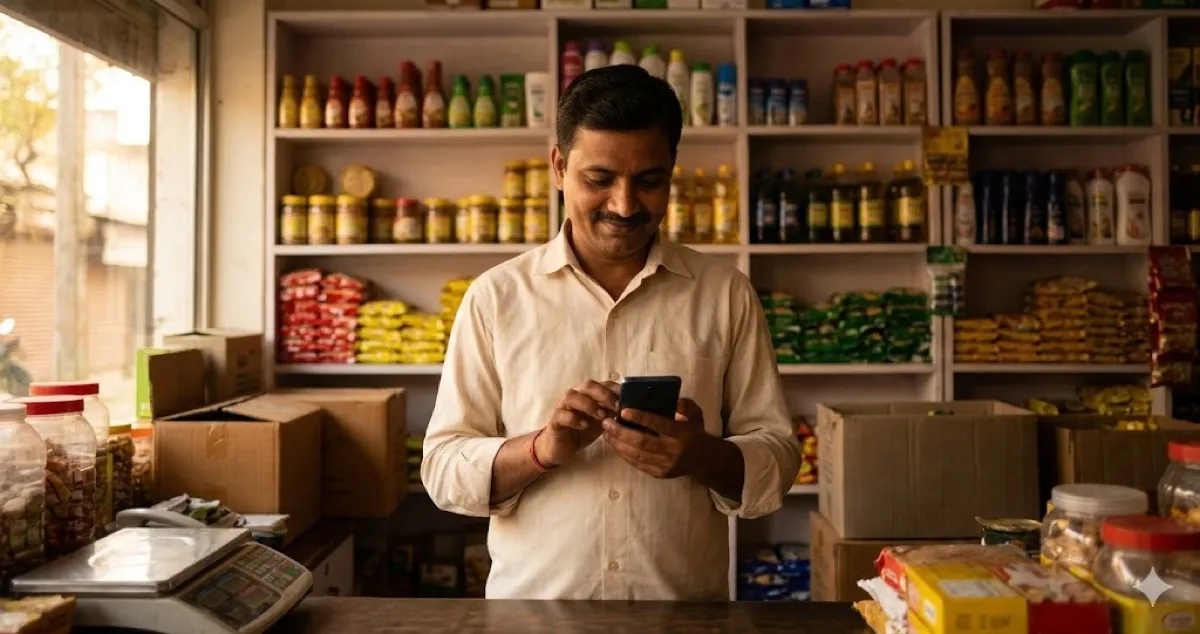
WhatsApp-based retailer education — Create a simple 60-second product video (not a TV ad — a genuine “here's why this product sells” message to the retailer in regional language):
- What the product is and what consumer need it addresses
- Why it rotates faster than comparable products
- The current scheme and how to order
Send this to retailer WhatsApp numbers via the distributor or platform. Costs almost nothing. A retailer who understands your product sells it better.
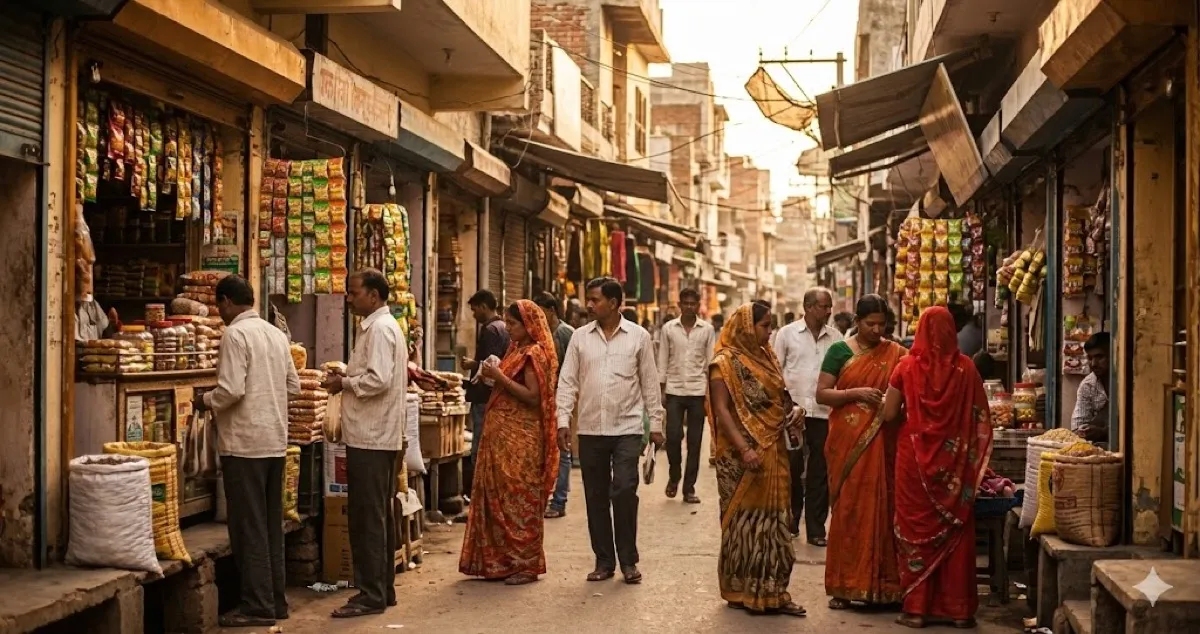
Community word-of-mouth — In kirana-dense markets, word travels fast. If 15 retailers in a pin code are ordering biweekly and happy, the 16th retailer will ask about it. Structure that encourages retailers to refer peers (simple: “refer a new retailer, get a free case”) accelerates this organically.
Bundling strategy for new SKU introduction — When introducing a second or third SKU in a market where your first SKU has traction: “Add one case of [New SKU] to any order above [threshold], at 30% off.” The retailer risks less, and the new SKU gets its first outlet-level exposure on the back of an established relationship.
What Doesn't Work (And Why Brands Do It Anyway)
Consumer advertising without availability: Spending ₹20 Lakhs on digital ads in a new state where you have only 200 active kirana outlets is purely wasteful. Consumers who see the ad and go to a kirana that doesn't stock your product will not go find another kirana. They'll buy whatever is on the shelf.
Rule: Consumer advertising investment should roughly match your active outlet density in that state. Low outlets = low advertising. High outlets = now advertising amplifies the sales.
Hoarding and OOH in markets where you're not in retail: Classic GT mistake. A billboard in Bengaluru is not a substitute for getting your product into Bengaluru kirana stores.
Deep discounting without a replenishment plan: Giving kirana owners 40% off to load up with inventory, then being unable to fulfill the replenishment orders when stock sells out, is worse than never getting the sale. The retailer's enthusiasm turns into frustration.
National campaigns for regional entry: Brand advertising that doesn't reference where the product is available is brand building without sales building. In your early stages in a new state, hyper-local demand creation (pin code level) beats broad media every time.
For a comprehensive view of GT distribution strategy, see our complete guide to FMCG distribution in India. Also read about how to sell to kiranas without a sales team.
Sell directly to 40L+ kiranas — no GT network needed. Launch on Kirana Club's D2R Marketplace.
Explore the Marketplace →