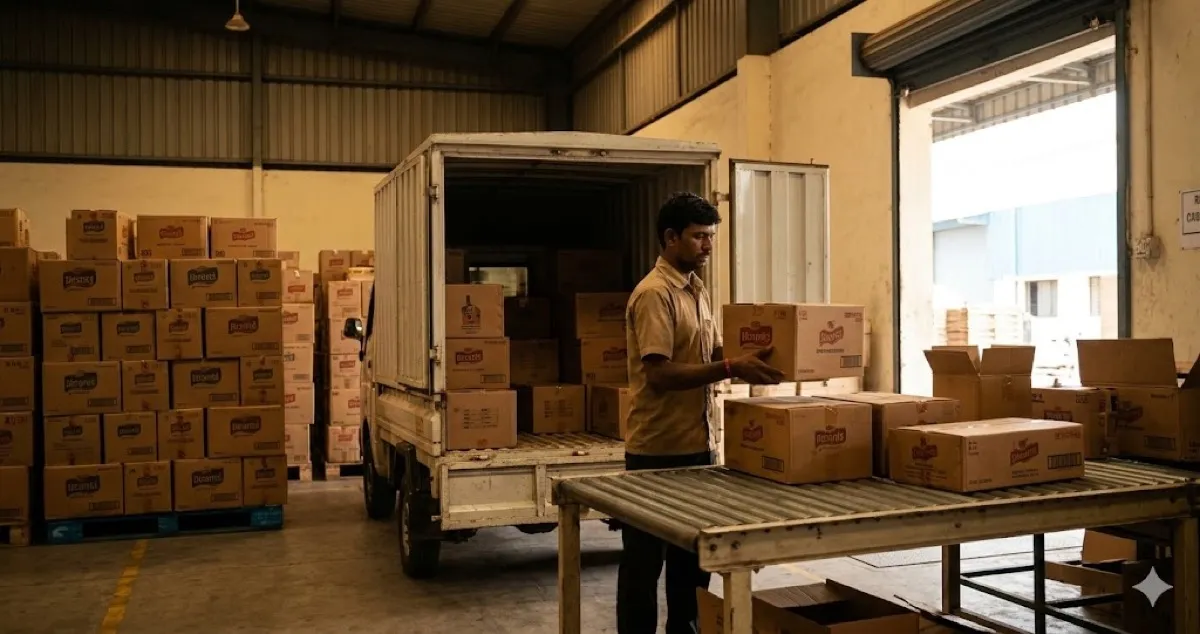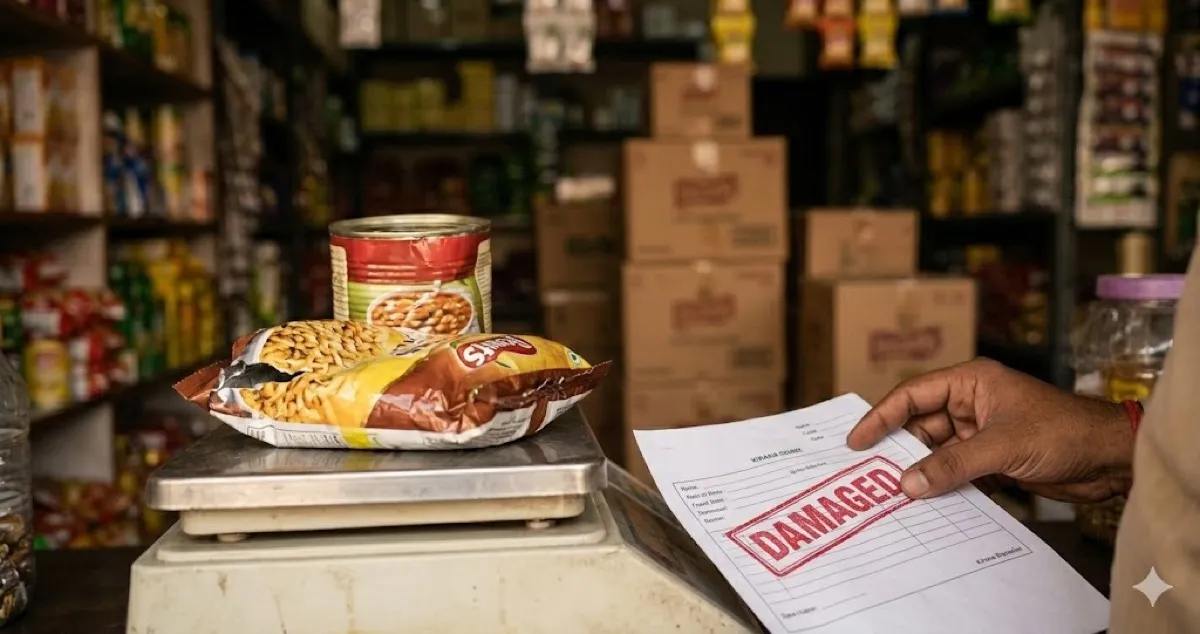
Returns handling is a revenue leak that most growing brands underestimate until it becomes a P&L problem. A 6–8% returns rate in a new state doesn't sound like much. On ₹5 Cr of primary sales, it's ₹30–40 Lakhs of product that comes back (or becomes a claim) in year one.
The Four Types of Returns in GT (And What Drives Each)
Type 1: Damage in Transit — Product arrives broken, leaking, or crushed. Driver: packaging inadequacy, handling practices, long-distance transit stress. Solution: packaging engineering, 3PL SLA enforcement, reduced carton weight.
Type 2: Expiry Returns — Product sat too long in the chain (distributor or retailer level) and approached or crossed expiry. Driver: slow secondary sales, over-distribution, wrong SKU choice for the market. Solution: SKU rationalization, shorter credit cycles, expiry tracking by batch.
Type 3: Wrong SKU Delivered — Retailer ordered SKU A, received SKU B. Driver: picking errors in warehouse or distributor operations. Solution: barcode-based picking, order confirmation before dispatch, delivery reconciliation process.
Type 4: Quality Claims — Retailer claims quality issue (taste, odor, visual defect) on a product they received in good condition. This can be genuine (quality control failure) or opportunistic (claiming credit for old inventory). Solution: batch tracking, defined claim window, pattern monitoring by distributor/retailer.
For logistics-specific guidance on preventing transit damage, see GT logistics and fulfillment for kiranas.
Designing a Returns Policy That Protects You
A returns policy needs to balance two objectives: protecting your brand equity (retailer should not lose money on genuine service failures) and protecting your P&L (fraudulent or operational claims should not be accepted without evidence).
Elements of a well-designed returns policy:
Time window: Claims must be raised within 48 hours of delivery for transit damage (photo evidence required), or within [X] days before expiry date for near-expiry returns.
Documentation requirement: Photo/video of damaged goods, including delivery note and batch number visible. This single requirement reduces fraudulent claims by 60–70% because most fraudulent claims happen opportunistically without documentation.
Responsibility Matrix
| Type of Claim | Brand Responsibility | Distributor Responsibility |
|---|---|---|
| Damage in transit | Yes, if 3PL fault | Yes, if their handling |
| Expiry (within shelf life) | Yes, if over-distribution | Shared |
| Expiry (held too long by distributor) | No | Yes |
| Wrong SKU supplied | Yes | Shared |
| Quality claim (genuine) | Yes | No |
Resolution mechanism: Credit note applied to next order (preferred — keeps the relationship active) vs cash refund (use for genuine hardship cases only).
For guidance on formalizing these terms with your distributors, see distributor terms sheet for FMCG.
Sell directly to 40L+ kiranas — no GT network needed. Launch on Kirana Club's D2R Marketplace.
Explore the Marketplace →Building Expiry Management Into Operations
Expiry returns are preventable, not inevitable.
What prevents expiry returns:
FIFO at every level. First In, First Out — the oldest batch ships first. Sounds obvious. In practice, warehouse teams often pick the nearest stack, not the oldest batch. This requires process discipline and spot audits.
Batch-wise secondary monitoring. If you can see that batch X dispatched to distributor Y in month 1 has not shown secondary movement in month 2, you can intervene before the batch expires. In traditional GT, this visibility is rare. In digital-ordering models, it's achievable.
Right-sizing the distributor inventory. Over-stocking a distributor is one of the most common causes of expiry returns. If a distributor can realistically sell 1,000 units in a month, don't dispatch 3,000 units in the first order because they asked for it (often to collect scheme benefits). Keep primary orders aligned with realistic secondary.
Seasonal planning. Many food categories have seasonal demand patterns. A brand that dispatches summer inventory in March across all states but has some states return it in May because the season ended is doing supply chain planning incorrectly.
For the complete framework on FMCG distribution in India, read our comprehensive distribution guide. For a breakdown of the costs involved in new state expansion, see the cost of GT distribution in a new state.