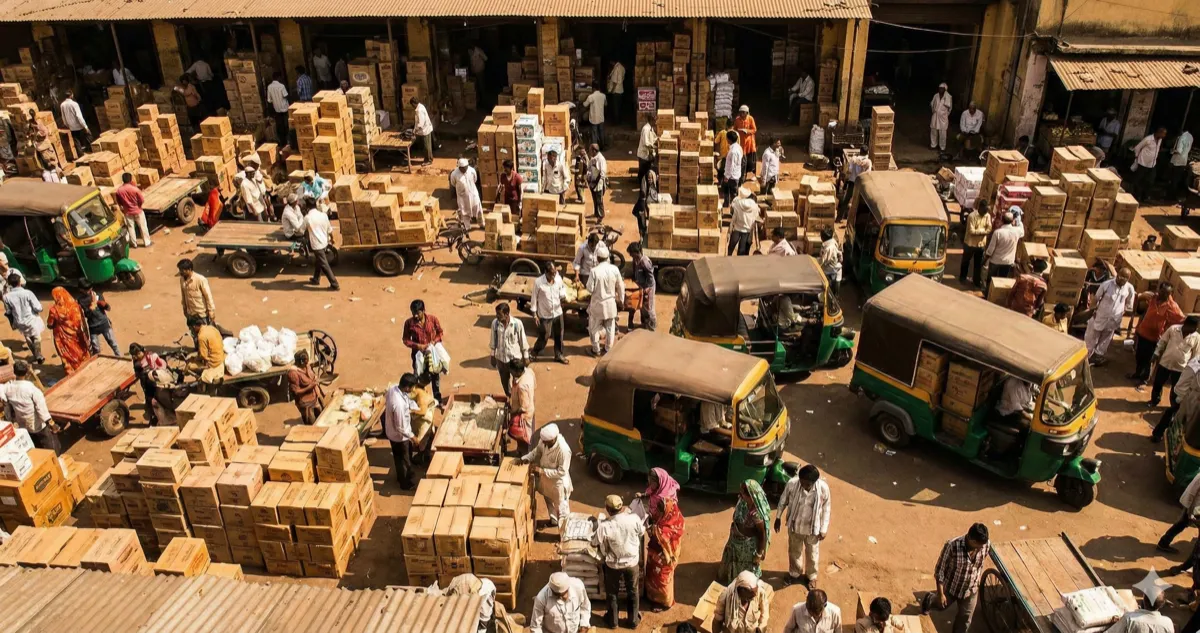
The way FMCG brands reach kiranas is changing. Not at the pace of D2C disruption in consumer brands — GT's pace of change is slower and more structural. But the shift is real, and the brands that understand it early are gaining an advantage in market entry speed and retailer economics.
What Is Shifting in GT?
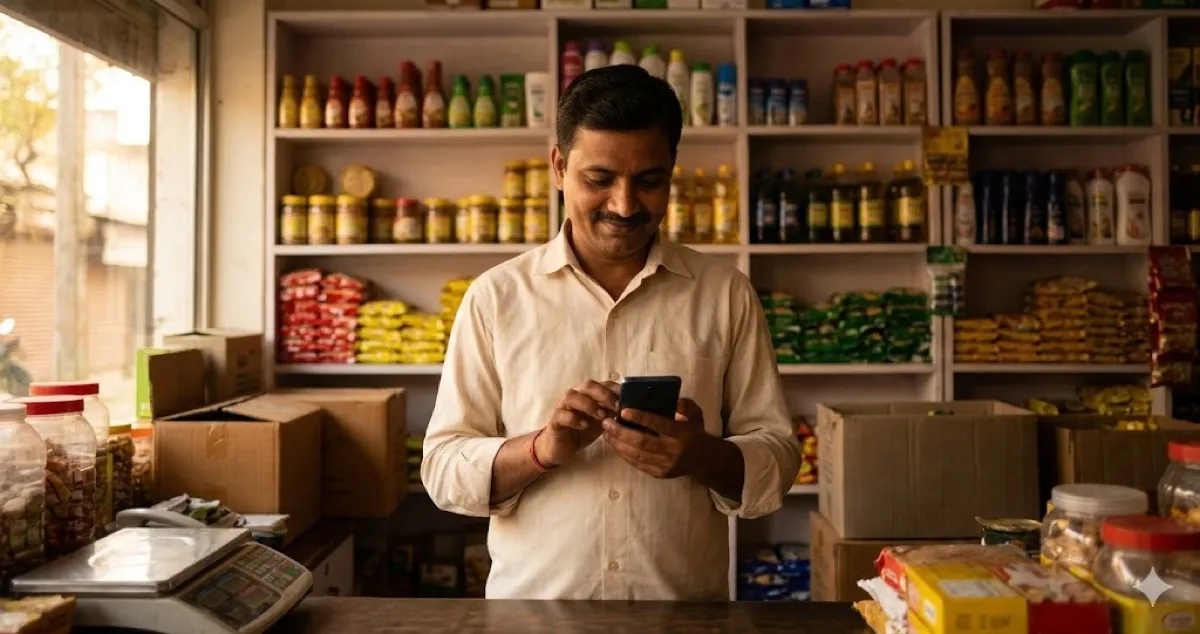
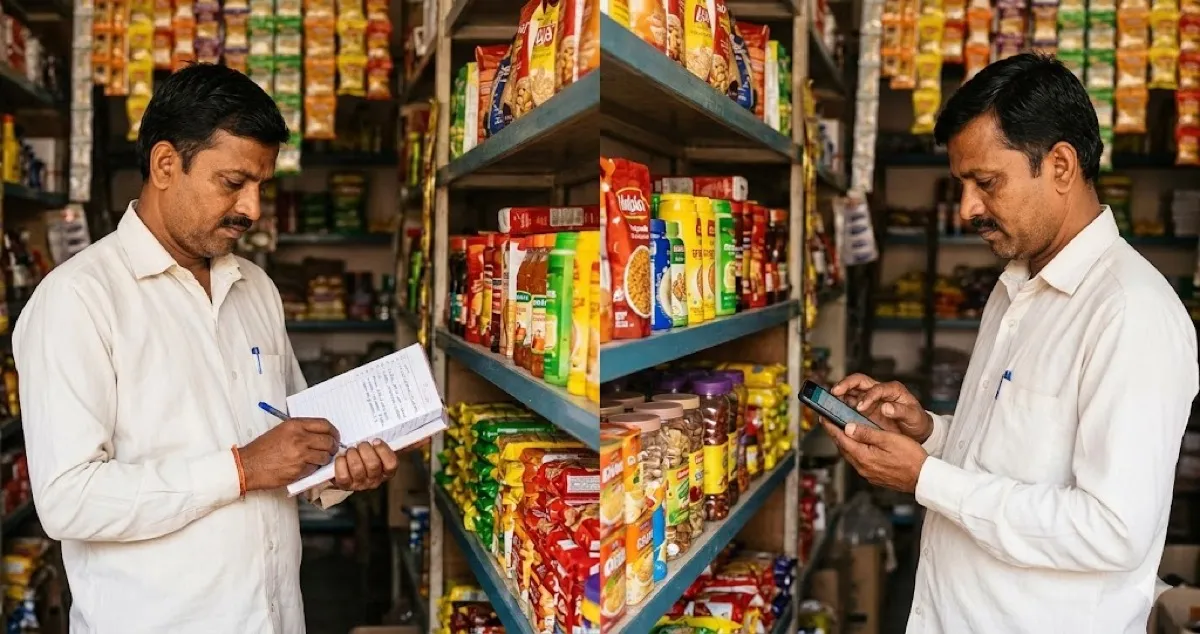
The ordering layer is going digital. A meaningful portion of kirana purchases are already placed via WhatsApp, apps, or digital platforms. Salesmen still exist and still matter, but the “must show up in person to take an order” model is losing its monopoly. This shifts bargaining power: retailers now have access to more options, better price discovery, and the ability to buy from multiple sources.
Discovery is becoming community-driven. Retailers in the same area share product recommendations, scheme information, and quality feedback — increasingly via WhatsApp groups and community platforms. A positive experience from 5 kiranas spreads to 50 in a way that didn't happen when information traveled only via distributor salesmen.
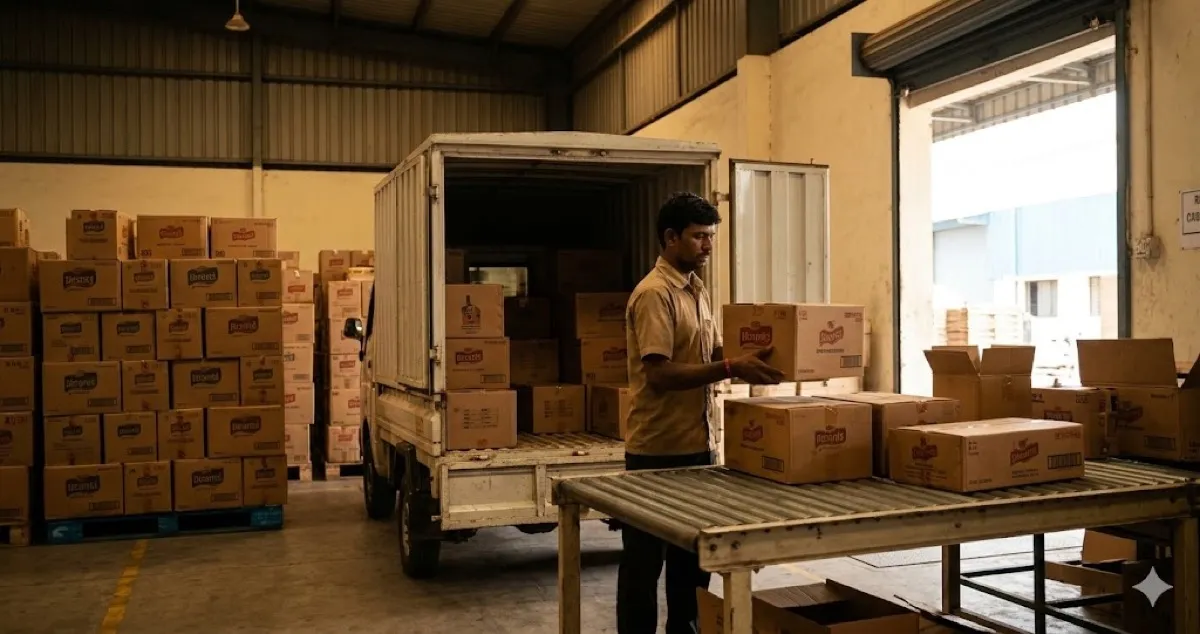
Logistics are standardizing. The growth of 3PL networks across India (particularly in Tier 2 and Tier 3 cities) means that reliable last-mile delivery to retailers in non-metro geographies is now more achievable than it was 5 years ago. This is the infrastructure layer that makes D2R viable beyond metros.
Data is reversing. In traditional GT, brands had almost no visibility into what actually happened at the retailer level. Distributors guarded secondary data. D2R platforms provide what traditional GT couldn't: SKU-level, outlet-level, real-time secondary data. For a brand making expansion decisions, this is transformative.
What D2R Is (and Is Not)
D2R is not:
- Online selling to consumers
- Replacing the kirana store
- A model only for tech-forward categories
- Applicable only in metros
D2R is:
- A different structure for brand → retailer commerce
- Enabled by digital ordering, centralized logistics, and retailer community
- Particularly powerful for market entry and new SKU testing
- Compatible with traditional distribution in the long run (most mature brands run both)
Why D2R Is Particularly Valuable for Regional Brands Expanding
The core problem with traditional expansion: you build the structure (team + distributor), then wait to see if secondary works.
D2R inverts this: you generate real secondary demand first, then decide what distribution infrastructure to build around it.
For a ₹100 Cr brand considering entry into Karnataka:
Traditional path: Hire state head (₹1.2 Cr/year), appoint distributors in Bengaluru/Mysuru/Hubli (3–6 months), run schemes (₹60–80 L in year one), get secondary data in month 4–5, assess viability.
D2R-led path: Access the retailer network directly, start shipping to activated retailers in Bengaluru within weeks, get SKU-level secondary data in real time, assess viability with real data in 60–90 days, then decide whether to invest in a state head and distributor network.
The D2R path has a different risk profile: less fixed cost committed before proof, but requires operational discipline on your side (pricing clarity, fulfillment reliability, clean packaging).
For a detailed comparison of cost structures, see our guide on the cost of GT distribution in a new state.
Sell directly to 40L+ kiranas — no GT network needed. Launch on Kirana Club's D2R Marketplace.
Explore the Marketplace →What Good D2R Operations Look Like
The brands that succeed with D2R share operational characteristics:
Tight SKU discipline. A D2R assortment of 5–10 products is manageable. 40 SKUs on a digital platform creates a poor retailer ordering experience and internal inventory complexity.
Predictable fulfillment. Unlike traditional distribution where the distributor absorbs some service variability, D2R is a direct brand commitment to the retailer. If you promise and fail, the retailer doesn't reorder, and there's no distributor buffer to absorb the frustration.
Clear retailer economics. The retailer must understand — at the moment of ordering — what their margin is, what schemes are applicable, and what the delivery timeline is. Ambiguity in any of these reduces conversion.
Responsive claims handling. In traditional GT, claims (damages, short deliveries) are resolved via the distributor relationship, often slowly. In D2R, the brand is responsible directly. A fast, fair claims process is a significant competitive advantage.
For the complete framework on FMCG distribution in India, read our comprehensive distribution guide. For logistics-specific guidance, see GT logistics and fulfillment for kiranas.